Quest payment terminals
6 models, and what each one is actually for. Quest does not sell to merchants directly — which provider puts the terminal in front of you decides what you pay for it.
Portable
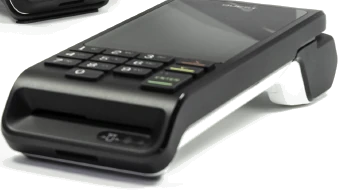
QT850
Quest’s smart terminal, and the one NAB puts on its standalone plans — Linux or Android, a 3.5-inch screen, dedicated PIN keys and a field-replaceable battery.
PIN pad
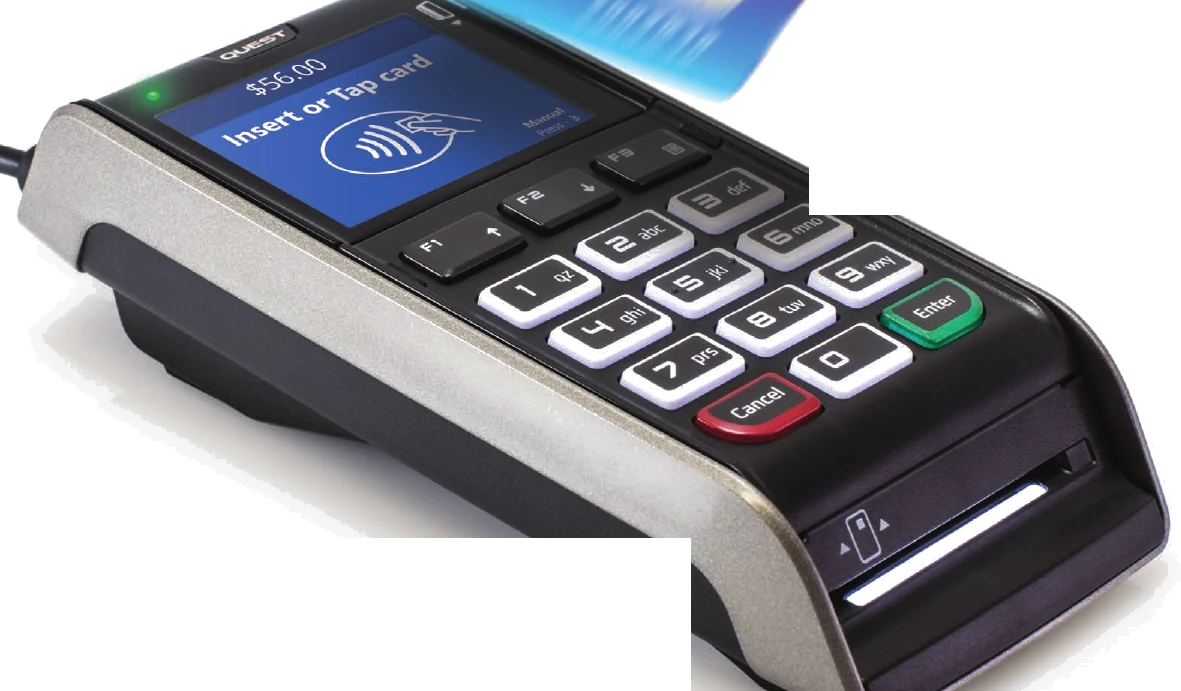
QT720
The integrated counter terminal — tethered to a POS, with a 15-key moulded keypad Quest says will not wear out.
Handheld
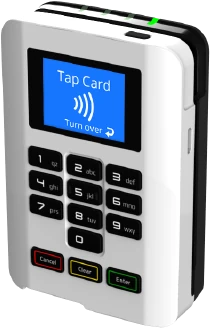
MT330
A pocket PIN pad that pairs with a phone or tablet — 140g, 22.5mm thick, with the POS running on the device the merchant already owns.
Handheld
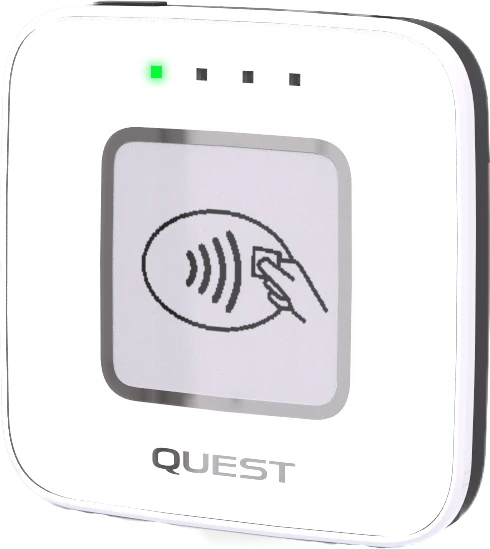
AP3
A 55mm square contactless reader weighing 32g — no keypad, no PIN, an E-ink display and a battery that lasts because the screen uses almost nothing.
Kiosks, transport, pay-at-pump, vending, parking
UT430
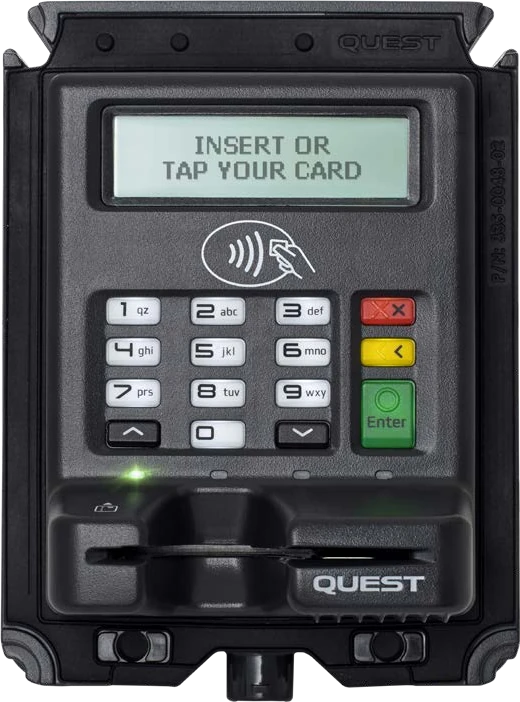
An all-in-one unattended module with PIN entry — chip, contactless and magstripe behind a UV-stabilised flame-retardant bezel, 70mm deep inside the kiosk.
Pay-at-pump fuel
FastFuel OPT
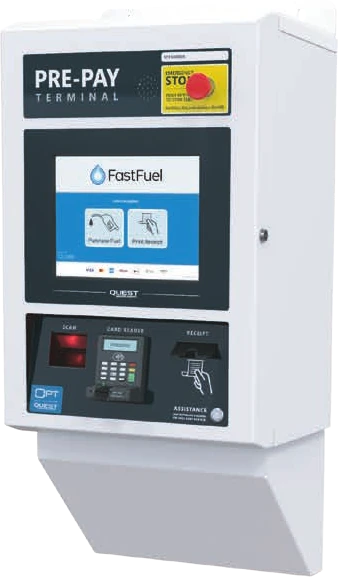
An outdoor payment terminal for fuel — a 12.1-inch touchscreen on a corrosion-resistant aluminium body, designed and built in Australia.
What these cost
Quest publishes no merchant pricing, and in Australia a merchant does not buy the hardware outright in most cases — it comes with a facility. What you pay depends on the rate you negotiate with the provider, not on the terminal.
Been quoted on one of these?
No callbacks, no waiting. Your quote on screen in minutes, from Australia’s major providers.